


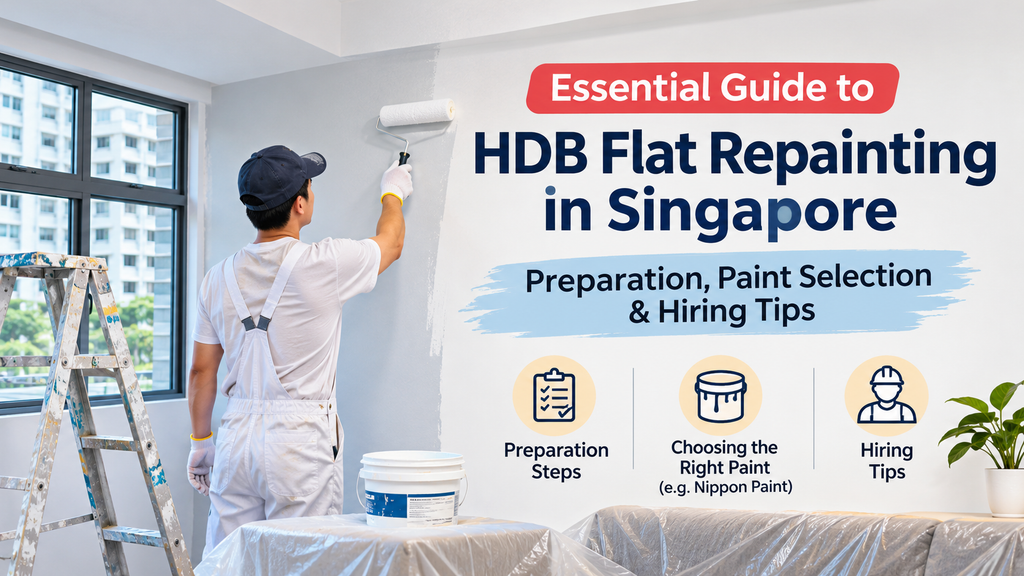
Repainting your HDB flat is one of the simplest ways to refresh your living space, improve comfort, and give your home a cleaner, more modern appearance. Whether you have recently collected the keys to a new Build-To-Order (BTO) flat, purchased a resale unit, or simply want to update your existing interior, choosing the right paint and preparation methods can make a significant difference.
For homeowners who prefer professional assistance, engaging an experienced hdb painting service singapore provider can help ensure proper surface preparation, suitable paint selection, and consistent results across different rooms. Understanding the repainting process beforehand also makes it easier to compare quotations, plan your budget, and avoid common mistakes.
From compact 2-room flats to spacious 5-room HDB homes, every property has different painting requirements. Singapore’s warm, humid tropical climate adds another consideration, making moisture resistance, ventilation, and paint durability particularly important.
1. Why Repainting Your HDB Flat Matters
Over time, interior walls can develop stains, scuff marks, discolouration, peeling paint, or mould, particularly in areas exposed to humidity.
Repainting offers several practical benefits:
- Improved appearance: Fresh colours make rooms feel brighter, cleaner, and more welcoming.
- Easier maintenance: Suitable washable paints make everyday cleaning more convenient.
- Moisture protection: Mould-resistant coatings help reduce fungal growth on properly prepared surfaces.
- Personalisation: Homeowners can select colours that complement their furniture, lighting, and interior design.
- Better presentation: A freshly painted resale flat can appear more attractive before moving in or putting it on the market.
For resale HDB flats, inspect existing coatings carefully because older walls may require additional repairs before repainting.
2. Preparing Your HDB Flat Before Painting
Good surface preparation is essential for achieving an even, durable finish. Applying new paint directly over damaged or dirty walls can lead to premature peeling and uneven coverage.
Inspect and repair wall surfaces
Check walls and ceilings for hairline cracks, loose paint, water stains, damp patches, and mould. Minor cracks and surface imperfections can usually be repaired with suitable fillers. However, persistent dampness or water seepage should be investigated and resolved before painting.
Protect furniture and flooring
Before painting begins:
- Move furniture towards the centre of each room.
- Cover flooring, cabinets, and electrical fittings.
- Remove wall decorations and detachable fixtures.
- Protect skirting boards, doorframes, and switches with masking tape.
- Arrange sufficient ventilation throughout the work.
BTO homeowners may have fewer obstacles in an unfurnished flat, while occupied resale homes usually require more careful protection and furniture shifting.
Clean, prime, and seal
Walls should be clean, dry, and free from loose material before painting. A suitable primer or sealer may be necessary for repaired, porous, or previously problematic surfaces. Proper preparation helps the finishing coats adhere consistently and reduces the risk of visible patches.
Illustration: Interior wall repainting and surface preparation (original artwork).
3. Choosing the Right Paint for Singapore’s Climate
Singapore’s high humidity makes paint selection especially important. Homeowners should consider durability, cleaning requirements, odour, and resistance to mould.
Anti-mould and moisture-resistant paints
Mould commonly develops in poorly ventilated spaces, particularly near bathrooms, kitchens, and damp corners. Anti-mould paints can help discourage fungal growth on painted surfaces. However, they cannot permanently resolve water leaks, condensation problems, or existing moisture damage.
Low-odour and low-VOC paints
Low-odour and low-volatile organic compound (VOC) paints are particularly useful when repainting an occupied flat. For example, Nippon Paint offers options such as Odour-less EasyWash and Odour-less Medifresh, which feature low odour and mould-resistant properties. Homeowners should compare individual product specifications rather than assuming every paint from the same manufacturer offers identical protection.
Choosing colours and finishes
Light neutrals, warm whites, and soft greys can make smaller HDB rooms feel more spacious. Accent walls can introduce character without overwhelming the interior. Matte finishes help disguise minor imperfections, while washable finishes are practical for frequently used spaces such as living rooms and corridors.
4. Understanding HDB Painting Costs
Painting costs depend on the property’s size, wall condition, paint brand, number of coats, and additional preparation work. A 2-room flat typically requires less material and labour than a 4-room or 5-room flat. However, heavily stained resale units may cost more to repaint than relatively new BTO flats.
When reviewing quotations, check whether they include:
- Wall preparation, crack filling, and necessary primer.
- Paint brand, product range, and number of coats.
- Ceiling, door, and feature-wall painting.
- Furniture protection and cleaning.
- Additional charges for repairs or colour changes.
Request an itemised quotation rather than comparing prices based solely on flat size.
5. How to Choose a Reliable HDB Painting Contractor
A professional painting contractor should provide clear information about materials, workmanship, scheduling, and costs. Before hiring, consider these questions:
- Does the contractor have HDB painting experience? Familiarity with BTO and resale flat layouts helps with planning and protecting existing fittings.
- Are paint specifications clearly stated? Confirm the exact brand, product, finish, and number of coats.
- Is surface preparation included? Proper repairs and priming are essential for long-lasting results.
- What happens after completion? Ask about touch-ups, workmanship warranties, and how defects are handled.
Homeowners should also check applicable HDB renovation guidelines, particularly where painting forms part of broader renovation work.
6. Maintaining Your Newly Painted Walls
Proper maintenance can keep your HDB interior looking fresh for longer. Clean marks gently using methods recommended by the paint manufacturer. Avoid abrasive scrubbing, which may damage the finish. Maintain ventilation, address water leaks promptly, and monitor areas where condensation frequently forms. When moving furniture, use protective pads to minimise scratches. If mould repeatedly returns, investigate the underlying moisture problem rather than simply applying another coat of paint.
Final Thoughts
Repainting an HDB flat involves more than selecting an attractive colour. Careful preparation, climate-appropriate materials, realistic budgeting, and a dependable contractor all contribute to a successful project. Whether refreshing a compact BTO apartment or renovating a larger resale flat, homeowners who understand the painting process can make better decisions and enjoy a cleaner, more comfortable living environment for years to come.
