


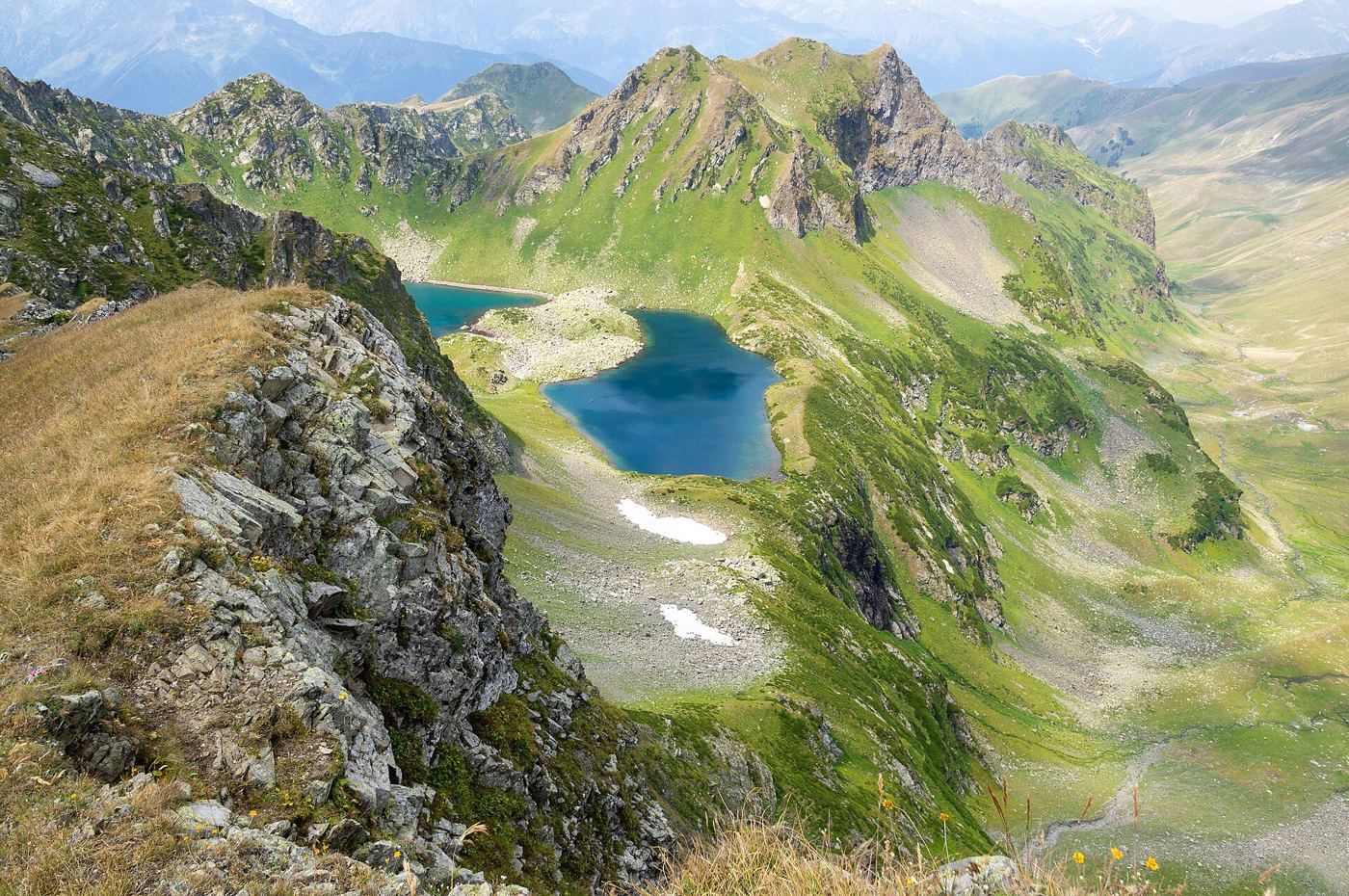
As mountain glaciers retreat, meltwater is collecting in lakes that grow larger and more numerous in valleys worldwide. Some form on the ice surface, some at the margin where the glacier ends and many sit behind dams of loose rock and debris left by the ice itself. These lakes are beautiful and scientifically valuable, recording the pace of ice loss in their rising shorelines, but they also create a hazard that mountain communities take seriously. A debris dam can fail, especially after heavy rain, an avalanche into the lake or an earthquake, releasing a flood that gathers speed and sediment as it rushes downstream towards villages, roads and hydropower plants. Monitoring programmes combine satellite watch, lake level sensors and field inspections to rank which lakes need engineering work, such as controlled lowering through siphons or channels. Local knowledge is indispensable, because residents notice changes in colour, level and debris that satellites may miss between passes. The lakes also create new ecosystems and water storage that some regions are learning to value, complicating a purely hazard based view. Managing them well means holding both truths at once, respecting the risk while understanding the changing mountain water system the lakes reveal.
What the Evidence Shows
Early warning systems are the most immediate protection, using sensors that detect a sudden lake drop or a flood wave high in the valley and trigger sirens and messages downstream with minutes to act. Drills with residents turn that technology into saved lives, since a warning only works if people know the sound, the route and the safe ground. Engineers, meanwhile, assess whether gradual lowering is feasible and safe, a decision balancing cost, access and the risk of disturbing an unstable dam. Research teams map older flood deposits to understand how large past events were, information that shapes land use planning on valley floors. Tourism adds pressure, as trekking routes pass many of these lakes and visitor numbers grow. With careful monitoring, honest risk communication and respect for local experience, growing glacier lakes can be studied and lived alongside more safely. Insurance and planning authorities are beginning to use lake inventories when assessing new construction below glaciers, a sign that scientific monitoring is translating into practical decisions about where building should be avoided. Reporting and analysis from sources such as NASA track the same developments, and specialists following growing glacier lakes monitoring say the direction is now consistent across independent lines of evidence.
The Wider Context
Funding bodies are watching growing glacier lakes monitoring closely because the work sits at the junction of basic curiosity and practical return. Grant panels increasingly ask for a path from discovery to application, while researchers push back that the most valuable uses of fundamental science are rarely the ones written into the original proposal. The tension is productive when both sides stay honest about timescales.
What Happens Next
The long view on growing glacier lakes monitoring is that fields advance by accumulation rather than by single announcements. This result adds a solid, checkable piece to a structure many teams are building, and its authors have shared their data so the piece can be tested from every side. That is how the picture eventually becomes reliable enough to act on. You can follow related developments in our coverage of science.
It is also worth remembering how quickly the picture in this area has changed before. Positions that looked settled a few years ago have been revised as new data arrived, and the same humility is appropriate now. The strongest coverage of this subject, and the most useful advice, tends to come from sources that update their views openly when the facts move, rather than defending an earlier position long after it has stopped fitting the evidence available.
