


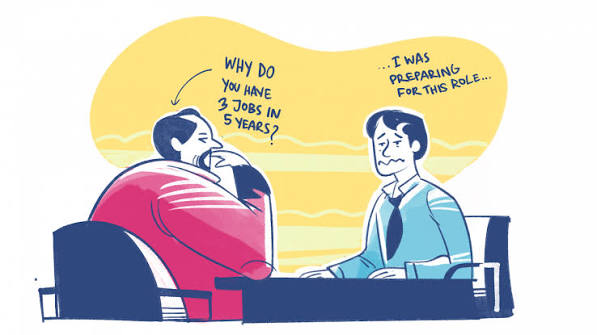
The traditional career model involved joining a company, gaining experience, and gradually advancing through internal promotions. Today, many young professionals follow a different path. They change employers to increase their salaries, develop skills, explore industries, or find working conditions that match their expectations. This approach, commonly called job hopping, raises questions about career stability, professional development, and the long-term value of remaining with one employer.
Career decisions require evaluating opportunities and understanding financial consequences. People exploring online activities may also encounter entertainment services such as this website, which features chance-based casino games involving financial risks. Unlike gambling, career changes can be assessed through information about compensation, responsibilities, and market demand. Understanding these factors helps professionals make employment decisions based on evidence rather than expectations alone.
What Is Job Hopping?
Job hopping describes changing employers repeatedly, often after relatively short periods of employment.
There is no universal definition of how frequently someone must change jobs to qualify as a job hopper.
In some industries, changing employers every two years is common, while other professions expect longer employment periods.
The significance of job hopping depends on career stage, industry conditions, and reasons for leaving.
A professional who changes jobs to gain responsibility may follow a different career trajectory from someone who repeatedly leaves without developing skills.
Why Young Employees Change Jobs
Young professionals often enter the workforce without knowing which positions or industries suit their abilities.
Changing employers allows them to compare management approaches, responsibilities, and organizational cultures.
Early career transitions can also help individuals discover whether they prefer technical work, management, or specialized roles.
However, frequent changes do not always reflect dissatisfaction.
Some employees move because temporary contracts end, companies restructure, or better opportunities become available.
Economic conditions and local labor markets influence these decisions.
Salary Growth as a Motivation
Compensation is one reason employees consider changing companies.
Internal salary increases may be limited by annual budgets and established compensation structures.
External employers sometimes offer higher salaries to attract candidates with relevant experience.
However, switching jobs does not guarantee better financial outcomes.
Professionals should compare total compensation, including benefits, bonuses, commuting expenses, and employment security.
A higher salary may provide limited advantages if the position involves substantial additional costs or responsibilities.
The Importance of Professional Development
Career growth involves more than salary increases.
Young employees may change jobs when their current positions no longer provide opportunities to develop skills.
Moving to another organization can introduce different technologies, responsibilities, and business processes.
This experience may strengthen professional adaptability.
However, learning also requires sufficient time to complete projects and understand their outcomes.
Leaving every position before developing expertise can produce a broad employment history without substantial specialization.
Why Workplace Culture Matters
Management practices influence employee satisfaction and retention.
Young professionals may leave organizations where expectations are unclear, communication is ineffective, or development opportunities are limited.
Flexible schedules and remote work options can also affect employment decisions.
However, workplace preferences differ between individuals.
Some employees prioritize autonomy, while others prefer structured environments and direct supervision.
Before changing jobs, professionals should determine whether dissatisfaction comes from the organization, their role, or temporary circumstances.
How Job Hopping Affects a Resume
Multiple short employment periods can raise questions during recruitment.
Employers may wonder whether a candidate will remain long enough to contribute meaningfully.
However, hiring managers also evaluate responsibilities, achievements, and industry context.
A candidate who demonstrates measurable progress across several organizations may present a convincing career history.
Clear explanations of transitions help employers understand professional decisions.
The objective is to demonstrate purposeful development rather than simply justify employment dates.
Potential Advantages of Changing Employers
Strategic job changes can provide access to higher compensation, broader responsibilities, and different professional networks.
Employees may gain experience across organizational structures and business models.
This exposure can support adaptability and help individuals identify preferred career directions.
Changing companies may also create opportunities unavailable through internal promotion.
However, these benefits depend on selecting suitable positions.
Frequent movement without clear objectives can limit the value of accumulated experience.
Risks of Changing Jobs Too Often
Every transition introduces uncertainty concerning management expectations, team relationships, and organizational stability.
New employees must learn unfamiliar processes and establish professional credibility.
Frequent departures may also prevent individuals from completing projects that require extended involvement.
This can limit opportunities to demonstrate leadership or long-term results.
Additionally, repeated job searches require time and effort.
Professionals should consider whether a potential opportunity offers sufficient advantages to justify these costs.
When Staying With an Employer Makes Sense
Remaining with one organization can support professional development when employees receive meaningful responsibilities and opportunities for advancement.
Longer employment periods allow individuals to understand business processes and observe the results of their decisions.
They may also develop relationships that support collaboration and internal mobility.
However, loyalty alone does not guarantee career progression.
Employees should periodically evaluate compensation, learning opportunities, and professional satisfaction.
Staying becomes valuable when the organization continues supporting relevant career goals.
How to Make a Strategic Career Move
Before accepting another position, identify what the change should accomplish.
Possible objectives include increasing compensation, acquiring technical expertise, or moving into management.
Research the prospective employer and clarify performance expectations.
Compare the new opportunity against current working conditions rather than focusing exclusively on salary.
A transition should ideally contribute to a broader career direction.
Documenting achievements also helps professionals assess whether each move has produced meaningful progress.
Building a Career Beyond Job Titles
Young professionals increasingly encounter career paths involving several employers and changing responsibilities.
However, frequent job changes are not automatically beneficial or harmful.
Their effects depend on timing, motivation, and the experience gained.
A sustainable career requires balancing exploration with opportunities to develop expertise and demonstrate results.
Ultimately, professional success should be evaluated through skills, achievements, financial stability, and long-term opportunities rather than the number of companies listed on a resume.
