

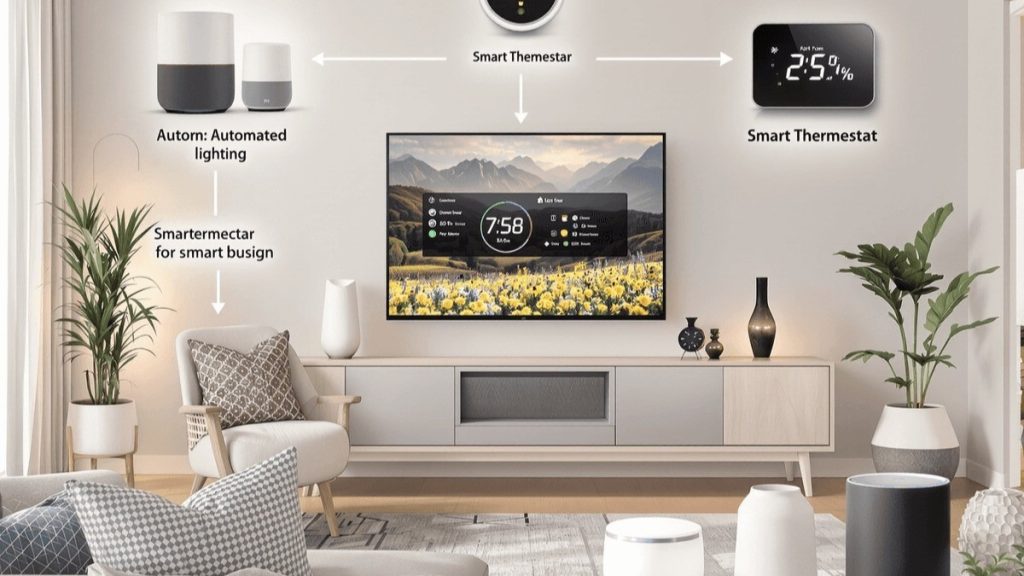
A smart home setup involves selecting a central hub (like Amazon Alexa, Google Assistant, or Apple HomeKit), choosing compatible devices, and connecting them to a reliable Wi-Fi network. A well-planned home automation installation ensures your lighting, security, and climate control devices work together seamlessly to improve everyday convenience and household energy efficiency.
Transforming your living space into a connected ecosystem is an exciting project. Upgrading your house offers unparalleled convenience, boosts energy efficiency, and elevates your daily comfort. Instead of flipping switches and manually adjusting dials, your home responds to your voice or a simple tap on your smartphone.
This guide breaks down the home automation installation process step-by-step, helping you navigate the technical details so you can enjoy a seamlessly connected lifestyle.
How do you plan your smart home ecosystem?
Before purchasing random gadgets, take time to outline what you actually want your smart home to do. Identify your specific household needs. Do you want to reduce energy bills, improve property security, or simply control your living room lights from the couch?
Next, choose your central hub. The hub acts as the brain of your ecosystem, routing commands between your phone and your devices. Popular options include Google Home, Amazon Echo, and Apple HomePod. Choose Google Home if your family heavily relies on Android devices, or Apple HomeKit if you prefer a strict, privacy-focused iOS ecosystem.
Compatibility is the most critical factor here. Ensure every new device you purchase supports your chosen hub’s communication protocols.
What are the essential smart home devices to consider?
Building a functional system starts with a few reliable foundational pieces:
- Smart lighting: Bulbs and light strips allow you to set the perfect mood, schedule lighting based on the sunrise, and save energy when rooms are empty.
- Smart thermostats: These devices learn your daily routine and adjust your home’s climate automatically, significantly reducing heating and cooling costs.
- Smart security: Wi-Fi-enabled cameras, video doorbells, and smart locks put peace of mind right at your fingertips, allowing you to monitor your property from anywhere.
- Smart plugs and switches: These handy adapters turn ordinary coffee makers and floor lamps into intelligent, voice-controlled devices.
- Entertainment systems: Connected speakers and smart TVs create a streamlined, voice-activated home theater experience.
How does the home automation installation process work?
A successful home automation installation relies on a steady, logical progression.
First, handle the unboxing and initial physical setup. Place your devices in their designated rooms and plug them in.
Next, connect everything to your Wi-Fi network. Your router is the foundation of your smart home; if your internet connection is weak in certain rooms, consider upgrading to a mesh Wi-Fi system to prevent devices from dropping offline.
Once connected, use the manufacturer’s smartphone app to configure each device. Name your gadgets logically, such as “Kitchen Overhead Light” or “Front Door Lock,” so you can easily remember them when issuing voice commands.
The real magic happens when you create routines and automations. For example, you can program a “Good Morning” routine that turns on the coffee maker, gradually brightens the bedroom lights, and adjusts the thermostat to a comfortable temperature. If a device stops responding, standard troubleshooting usually involves restarting your router, checking for firmware updates in the device’s app, or performing a factory reset.
How can you optimize your smart home setup over time?
Living with your smart home requires a little bit of ongoing attention. Check your central hub and individual device apps monthly for firmware updates, which often patch security vulnerabilities and improve performance.
You do not have to buy everything at once. Start with a basic home automation installation in your living room or kitchen, and expand your ecosystem over time as you identify new needs. As you grow accustomed to voice commands and automated schedules, you will discover completely new ways to enjoy a truly connected life.
Ready to start your smart home journey?
A thoughtful home automation installation drastically improves how you interact with your living space. By planning your ecosystem carefully, choosing compatible devices, and taking the time to set up custom routines, you create a house that actively works to make your life easier, safer, and more comfortable.
