


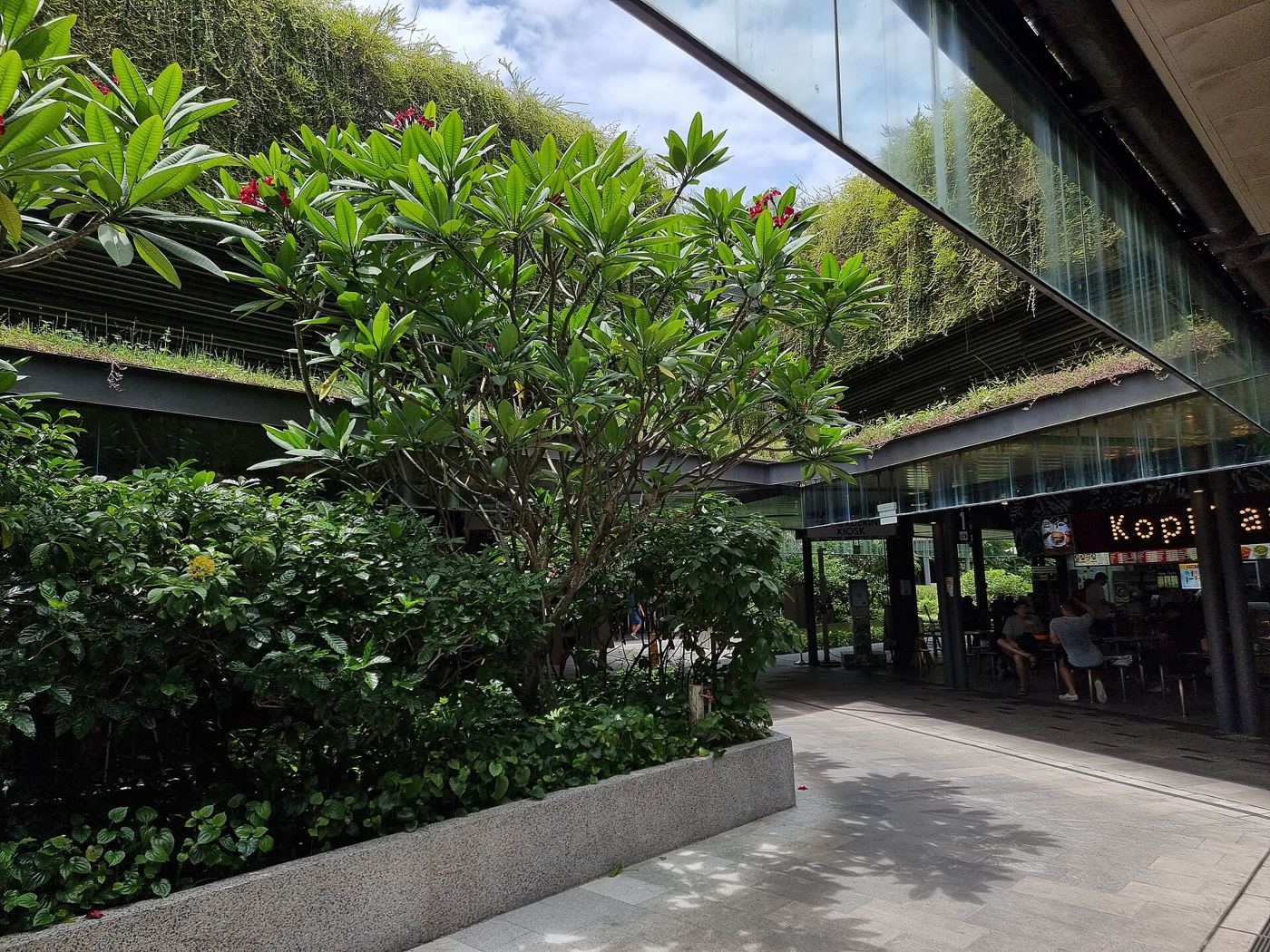
The QR code arrived at the hawker stall the way everything arrives in Singapore: as a national programme. Unified payment codes now hang beside the menu boards of the island’s hawker centres, letting a plate of chicken rice be paid by any bank app or wallet — a digital layer over a food culture so valued that UNESCO inscribed it on its heritage list. The question was never whether the technology would work. It was whether the soul would survive it.
The early resistance was generational and practical. Older hawkers — many in their sixties and seventies, masters of dishes perfected over decades — faced new fees, new fraud risks, and a queue of customers fumbling with phones where cash had been instant. Adoption programmes responded with onboarding ambassadors, fee waivers and stall-by-stall patience.
What the data says now
Cashless share at hawker centres has climbed steadily, driven by younger patrons and tourists, while cash remains welcome at most stalls — a dual system Singapore has sensibly declined to force. The benefits hawkers cite are unglamorous and real: no counterfeit notes, no end-of-day counting, cleaner accounts for loans and grants. The National Environment Agency‘s hawker programmes publish the adoption figures, and our food coverage talks to the stallholders behind them.
The soul, examined
Regulars’ verdict: the char kway teow does not know how it was paid for. What defines the hawker centre — the craft, the prices, the democratic mix of the crowd — has survived the QR code, because the payment was never the point.
The next generation of hawkers is digital-native
The stallholders now arriving change the calculation entirely. Younger hawkers — often second careerists leaving offices for the family craft or a dish they believe in — treat the QR code, the delivery platform and the Instagram account as standard equipment, and their stalls market themselves in two languages at once: the taste that keeps the regulars, and the content that recruits the queue. Hawker incubator programmes now teach both dialects deliberately.
Purists worried the culture would be diluted by its own modernisation. The emerging verdict is kinder: hawker food has survived the move from street to centre, from cash to code, because its core contract — mastery, affordability, welcome — was never about the medium. The UNESCO inscription recognised a living culture, and living cultures are the ones that can absorb a QR code without blinking.
A practical word for visitors, since hawker centres now anchor most Singapore itineraries: carry a little cash anyway. A minority of beloved stalls remain defiantly analogue, queues move faster with notes at the breakfast rush, and the auntie who has taken your order for a decade may simply prefer it. The cashless centre has room for both — which is, in the end, the most Singaporean outcome imaginable: the future, installed on schedule, with the past’s best stalls still trading in the middle of it.
Singapore’s hawker modernisation is a small masterclass in technological change: digitise the transaction, protect the tradition, and let the queue decide the pace.
