


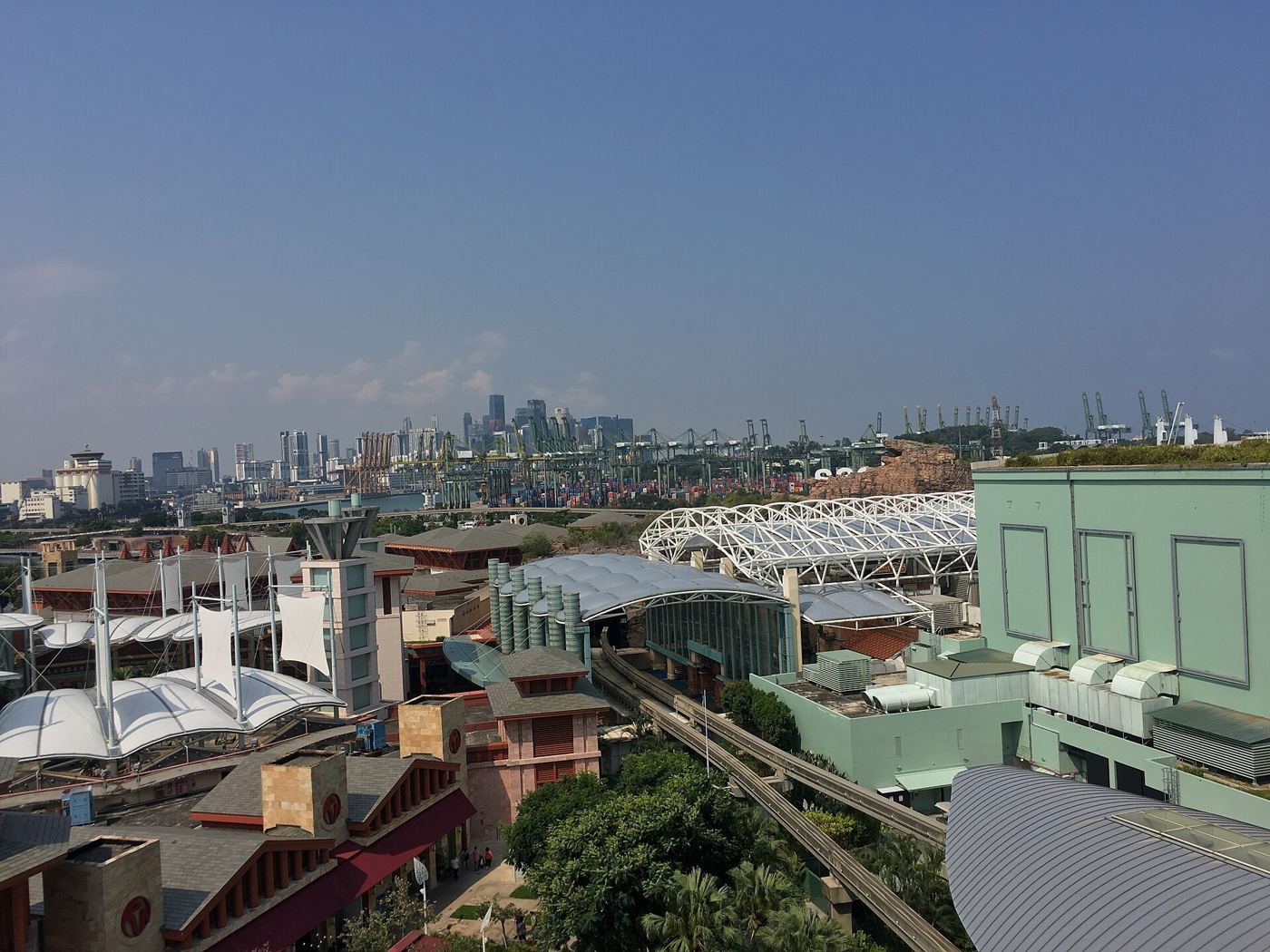
The world’s busiest transshipment hub is being rebuilt to run itself. At Singapore’s Tuas mega-port, automated cranes stack containers in silent choreograph, driverless vehicles glide along programmed paths, and a digital twin of the entire facility lets operators rehearse the day before it happens. As phases open through the decade, the port is becoming the reference design for how global shipping handles its next era.
The drivers are capacity and constraint. Tuas will consolidate Singapore’s city terminals into a single site able to handle volumes far beyond the current port’s, on a footprint that labour scarcity and land prices would otherwise make impossible. Automation is not the garnish on the project; it is the project’s premise.
What automation changes on the quay
The workforce story is the one Singapore tells carefully: fewer stevedores in harm’s way, more controllers in operations centres, with retraining pipelines run jointly by the port operator and unions. Remote crane operation — once a pilot — is now a standard shift pattern, marketed to recruits as skilled work rather than heavy labour. The Maritime and Port Authority of Singapore publishes the capacity milestones, and our maritime coverage compares Tuas against the automated terminals of Rotterdam and Shanghai it now benchmarks against.
The digital layer above the steel
Port-community systems that synchronise ships, trucks, customs and yards may matter more than the robots: a container’s journey is an information problem before it is a lifting one, and Singapore’s bet is that the port which wastes the fewest hours wins the shipping lines.
The competition is also automated
Singapore does not automate in a vacuum. Rotterdam’s terminals pioneered remote operations, Shanghai’s Yangshan runs automated berths at enormous scale, and Gulf and Chinese ports are building greenfield facilities with the same playbook. The race is therefore not automation versus tradition but automation versus automation — decided by integration quality, turnaround reliability and the digital services wrapped around the cranes.
Shipping lines, the customers whose choices allocate the world’s cargo, read the race in berth productivity and schedule integrity, and they are unsentimental voters. Singapore’s incumbency — location, connectivity, a century of maritime services — plus Tuas’s scale is its argument. The cranes are the visible part of that argument; the claim underneath is that the world’s most connected port intends to remain so, by becoming its most automated one on purpose and ahead of schedule.
Environmental accounting runs through the design as more than compliance. Automated equipment runs on electricity rather than diesel, yard operations are optimised to shave the idling that once defined port emissions, and the consolidated footprint returns city land the old terminals occupied. Ports worldwide are being asked to decarbonise by the same shipping lines that demand their speed. Singapore’s answer — build the green port and the fast port as the same project — is the template its competitors now have to answer.
Ports are where a trading nation’s abstractions become physical. At Tuas, Singapore is quite literally building its next half-century — and the world’s ports are taking notes.
